A Pet Parent's Heart, Stitched Into Fabric
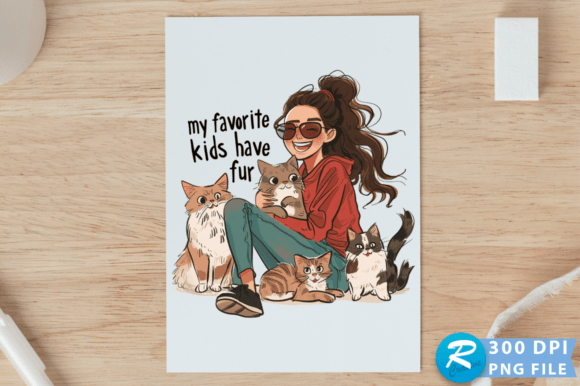
When I first opened the file for My Favorite Kids Have Fur, I smiled. It’s that kind of design. It’s not just a graphic; it’s a declaration. The phrase itself carries an immediate, warm familiarity for anyone who considers their pets family. In the world of embroidery, where we translate sentiment into stitch, this isn’t a complex illustration—it’s a statement piece. The layout is clean, centered, and built around the text, which means its power comes from the message itself and how we choose to present it.
The First Impression: Warm, Direct, and Unapologetically Sweet
This design creates a mood of affectionate pride. Its visual personality is straightforward and confident, not cluttered or overly whimsical. That’s a significant advantage for us as makers. A design like this belongs naturally on items meant to convey a personal identity or a heartfelt gift. Think of the custom tote bag a client wants for her dog-walking adventures, or the cozy sweatshirt someone wears to the vet clinic. It doesn’t need elaborate detailing to resonate; its strength is in its clear, unabashed theme.
Where This Design Finds Its Home
In practical project use, My Favorite Kids Have Fur performs beautifully across a wide range of real-life applications. I envision it stitched onto:
- Custom apparel: A left-chest embroidery on a polo shirt for a pet groomer’s uniform, or centered on a soft cotton t-shirt for a pet birthday party.
- Home and gift items: Embroidered neatly onto a kitchen towel in a pet-friendly home, or as a focal point on a pillow cover for a cozy reading nook.
- Small business merchandise: This is prime material for an Etsy seller specializing in pet-themed gifts. Stitched onto a simple canvas tote bag or a baby bib (for those human babies who share homes with furry siblings), it becomes a charming, sellable product.
- Personalized patches: Its clear text makes it an excellent candidate for a standalone embroidered patch, which can then be applied to backpacks, caps, or denim jackets.
The design’s simplicity is its versatility. It won’t fight with the fabric; it will complement it. For boutique branding, a shop that sells natural pet products could use this on staff aprons or tea towels as a subtle brand reinforcement. In digital product previews and printable mockups for your craft business, this design provides a clean, recognizable asset that customers can easily imagine on a finished product.
Considering the Stitch: Practical Application Notes
Now, let’s think like an embroidery designer preparing a real project. I’m imagining hooping a natural cotton twill for a tote bag. The design is a text-based graphic, so stitch clarity for the lettering is paramount.
Since the provided file is a PNG, it’s crucial to remember this is a starting point. The conversion to an actual machine embroidery file will determine the stitch types—likely satin stitches for the letters and perhaps a fill stitch for any heart accents. The phrase “Different computer monitors will display a color differently” is a vital reminder here. Your thread color choice shouldn’t be based solely on the screen color. Select thread that provides good contrast against your fabric.
Areas for careful attention:
- Small hoop sizes: If you scale this down significantly for a cap or a baby garment, test the smaller lettering thoroughly. Tiny details can become dense and lose clarity.
- Fabric texture and type: On stretchy fabric like a sweatshirt, adequate stabilizer is non-negotiable to keep the text crisp. On dark fabrics, consider a slightly heavier thread weight or a layering technique to ensure the message pops.
- Dense stitch areas: Depending on your digitizing, the hearts or decorative elements could become small, dense stitch blocks. On thin fabrics, this might create unwanted stiffness.
My standard advice applies doubly here: always test on scrap fabric first. Run a stitch-out with your chosen thread colors on both a light and dark background scrap. This tells you more about stitch density and clarity than any screen preview ever could.
How This Design Elevates the Finished Product
From a commercial and customer perspective, stitching this design onto a product does something important. It transforms a generic item into a narrative piece. A plain pillow becomes a statement of love for a pet. A simple apron becomes part of a pet owner’s identity. This directly affects product value, giftability, and buyer engagement.
For an Etsy seller or small shop owner, using a clear, relatable design like this builds customer trust and recognition. The handmade presentation feels intentional and personal, not random. It shows you understand your niche audience. For personalized gifts, like a holiday present for a friend who just adopted a rescue, this embroidery carries an emotional weight that a store-bought item rarely achieves.
A Designer’s Final Checklist Before Hooping
Before I commit this to a final project, especially for a client or a commercial item, I run through a mental list. With My Favorite Kids Have Fur, here’s what I’m considering:
- License confirmation: The description states “No watermark,” but I must verify the licensing terms for the source file myself. Can I use it for commercial embroidery projects? Can I sell the finished tote bags or patches? I never proceed without that clear answer.
- Digitizing readiness: The PNG is high-resolution, which is good. But I need to ensure my digitizing software or service translates it into a clean embroidery file with appropriate underlay and stitch paths for my target fabric.
- Contextual fit: Is this design the right tone for my specific project? For a playful, colorful baby blanket, it’s perfect. For a more formal, corporate-branded pet service item, perhaps not. Matching the design’s personality to the product is key.
- Longevity: On items that will need frequent washing, like kitchen towels or baby clothes, I might opt for a simpler stitch-out with fewer dense fills to maintain durability and softness.
Ultimately, My Favorite Kids Have Fur is a design tool with a lot of heart. Its practical value lies in its universal message and its adaptable form. It reminds us that in the craft business, sometimes the most powerful embroidery projects aren’t the most complex—they’re the ones that speak directly, and warmly, to the life someone actually lives. Stitching it well means giving that sentiment a permanent, textured home on fabric.